
| Bhavya Thakkar | Cloud Services, Data & Databases, Business
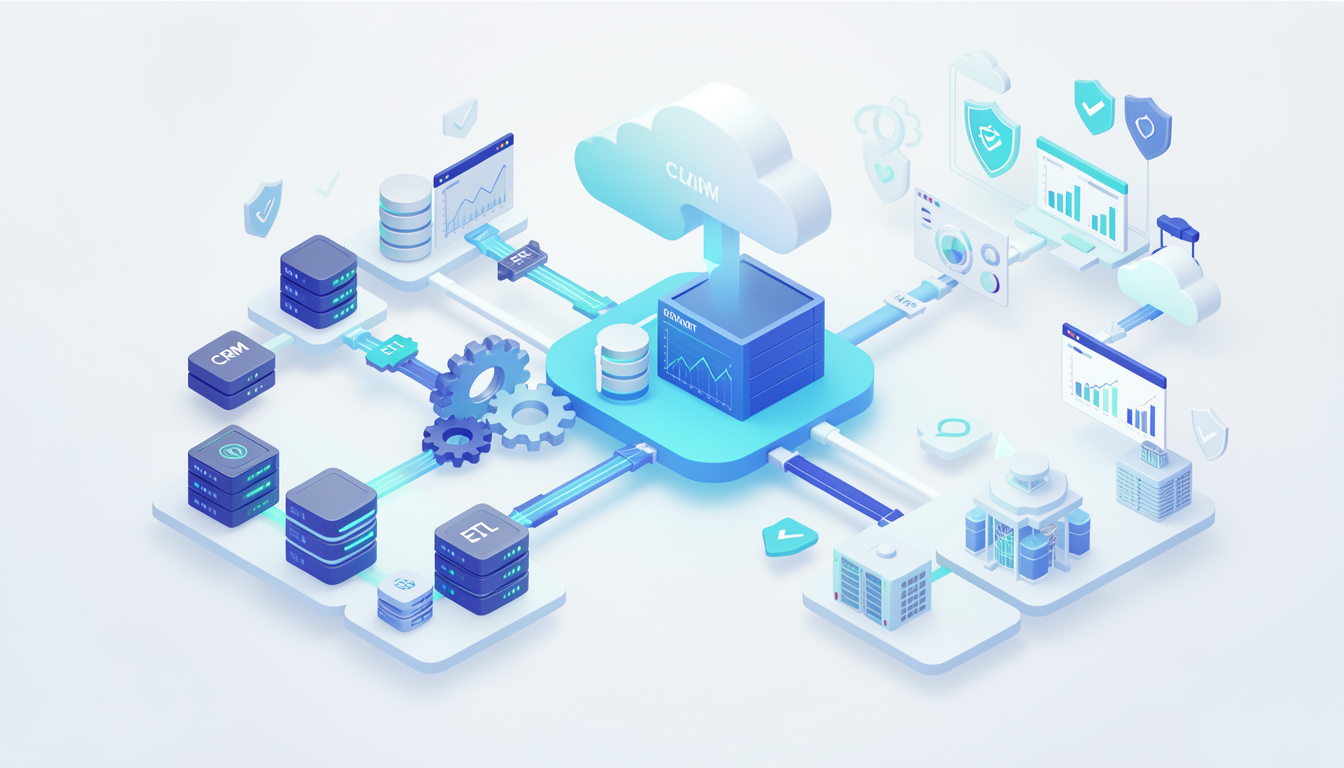
Modern businesses generate massive amounts of data from websites, mobile applications, IoT devices, CRM platforms, and cloud applications. However, collecting data is only the first step. The real challenge is moving, processing, and storing it efficiently while maintaining accuracy and performance.
This is where a well-designed cloud data pipeline becomes valuable. A reliable pipeline ensures data flows seamlessly across systems, enabling organizations to make informed decisions based on accurate information. Built correctly, these pipelines are scalable, secure, and high-performing—giving businesses the foundation they need for long-term growth.
In this article, we'll explore how cloud data pipelines improve data reliability and scalability while helping businesses maximize the value of their data.
What Is a Cloud Data Pipeline?
A cloud data pipeline is a series of processes that gather data from multiple sources, cleanse it, convert it into the desired format, and then push it to data warehouses, analytics platforms, or business applications.
Designing one effectively starts with understanding the organization's existing infrastructure, business objectives, and information needs—and then selecting the right architecture and cloud technologies to match. A well-planned pipeline prevents expensive errors down the line and creates systems capable of managing growing volumes of data.
Why Reliable Data Pipelines Matter
The basis of good decision-making is reliable data. Late, inaccurate, or incomplete data can lead to consequences that impact operations, customers, and revenue.
A reliable cloud pipeline delivers data consistently, improves data accuracy, minimizes downtime, speeds up reporting, and makes data governance policies easier to meet. Validation checks, monitoring systems, and automated recovery mechanisms keep pipelines running smoothly even when problems arise.
Improving Data Reliability Through Modern Pipeline Design
Better Data Quality
Improving data quality is one of the biggest reasons to invest in a strong cloud data pipeline.
A well-designed pipeline checks for duplicate records, missing data, formatting inconsistencies, and corrupted data sets before they reach analytical systems. Validation rules and automated quality checks run at every stage, which means decision makers get better, more reliable information.
Automated Error Detection
As data pipelines grow more complex, manual monitoring becomes impractical.
Automated monitoring tools keep a constant watch on pipeline health, identifying failures, delays, missing records, and abnormal data patterns in real time. Instead of discovering issues days later, IT teams receive alerts right away and can resolve problems before they impact business operations.
Stronger Data Security
Data reliability also depends on keeping information secure during transmission and storage.
Encryption for data in transit and at rest, role-based access controls, secure authentication methods, and backup and disaster recovery strategies all work together to reduce the risk of unauthorized access and accidental data loss.
Consistent Data Transformation
Data often comes from multiple systems using different formats.
Standardized transformation processes keep information consistent regardless of its source. This reduces reporting errors and makes analytics more reliable across every department.
Conclusion
Companies that make important decisions based on data need reliable and scalable data infrastructure. Many businesses stumble when the design is wrong—producing misleading reports, driving up operating costs, and holding back growth. An efficient, reliable, and scalable cloud data pipeline solves these problems, delivering better data at lower cost.
Whether a business generates millions of records or quadrillions, a cloud data pipeline built on a trusted, rock-solid framework becomes a genuine differentiator. Companies that invest in a trustworthy, scalable data solution today are far better equipped to drive innovation, automate and orchestrate workflows in real time, reduce operational costs, and make the right decisions backed by the latest, unbiased data.
Author

Bhavya Thakkar
0 Comments
Comments are moderated to keep the discussion useful and respectful. Spam, automated submissions, and low-value promotional comments are removed.
Leave a Comment