
| Webtraffic Exchange | Electronics
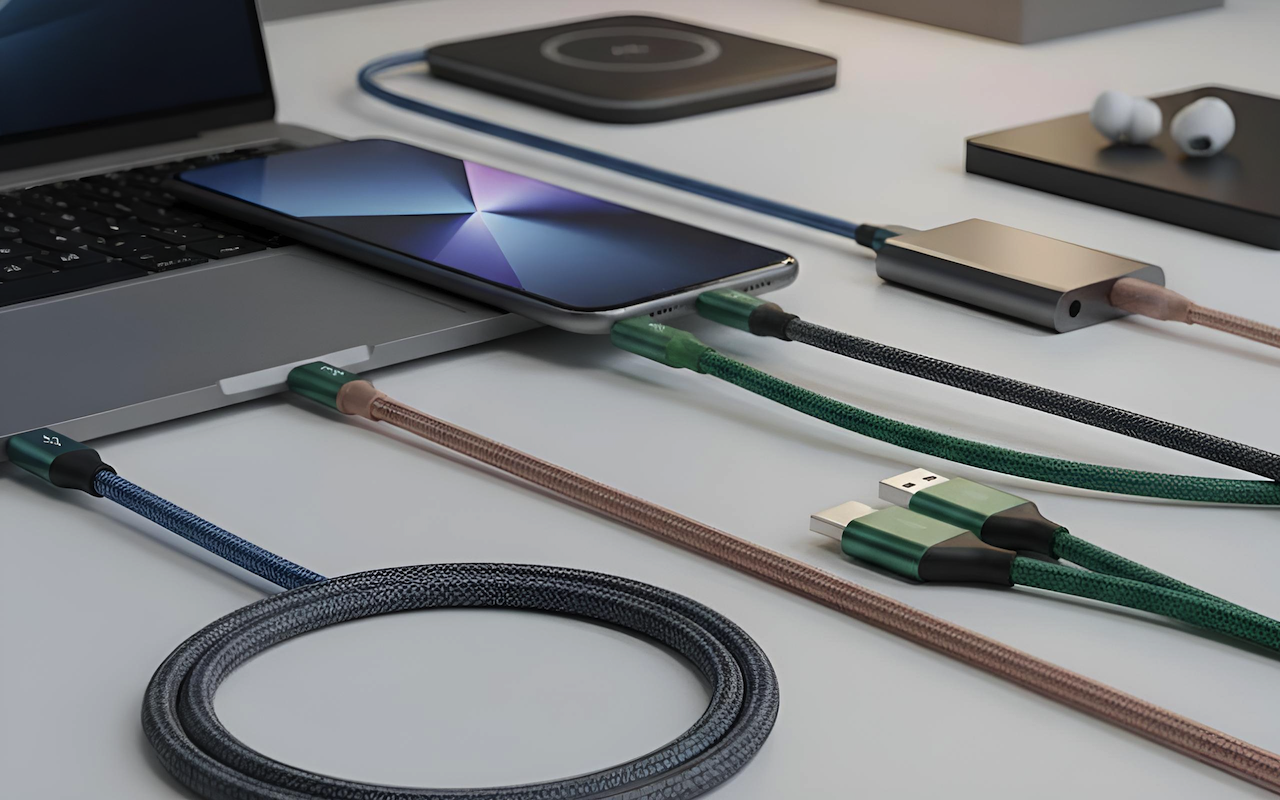
A USB cable is one of the most essential items you should always have on hand in 2026. These cables are not just data connectors; they have evolved into versatile powerhouses. The modern lifestyle revolves around gadgets like phones, laptops, smartwatches, and power banks.
All of these gadgets require USB wires for charging, data transmission, video output, etc. Let's check out the essential types of USB cables you must have in 2026.
What Are the Must-Have USB Cables in 2026?
Over the years, USB cables have undergone many changes. Modern lifestyles demand super-fast charging, high-speed data transmission, high-quality video output, etc. Hence, a USB cable is not merely an accessory; it completely dominates power delivery to all devices, from small accessories to high-powered devices.
For example, from earbuds to laptops, nearly every modern gadget depends on these cables. Also, all modern appliances and smart home features entirely rely on these wires. Here is a complete guide to the must-have types of USB cables, along with their features, uses, etc.
1. USB-C to USB-C Cable, USB 2.0 (100W)
USB-C to USB-C (2.0) is the universal standard for high-quality power supply and data transfer. This is one of the most reliable and compatible wires, supporting almost all modern USB needs.
The wire can handle your everyday charging needs for gadgets like laptops, smartphones, earbuds, and other devices. This cable has replaced older USB cables with ease and has become a popular choice for fast charging.
Users only need this single wire for power supply and standard data transmission. Whether you put it at your bedside or you want to charge your phone and laptop in your car on the go, you can do it with the help of this cable.
Features
- USB-C to USB-C cables have identical, reversible male connectors at both ends.
- The power delivery capacity of this wire is a minimum of 100 Watts.
- The data transmission speed of this wire is up to 480 Mbps.
- The cable length will be between 1 and 2 meters.
- It can transfer photos, music, documents, and more to smartphones, laptops, and other devices.
Disadvantages
- It cannot support high-quality video output transmission.
- The wire cannot back up large amounts of data.
- USB-C to USB-C cables cannot connect high-resolution computers or monitors. They also don't support high-end peripherals.
2. USB4 or Thunderbolt 4/5 Cable (240W, 40Gbps+)
USB-C to USB-C cables cannot transfer high-quality data and have limitations when used with high-end peripherals. To solve such problems, a USB4 or Thunderbolt 4/5 cable can be used. This is another powerful innovation in the USB cable segment.
The modern office setup entirely depends on this wire. This cable can handle multitasking. From charging high-end devices to powering a powerful peripheral to connecting multiple devices, this cable can handle everything with ease.
All tech enthusiasts and professionals who want high-performance wires, not just a charging cable, can rely on this type of USB wire for their work. So, this high-performance cable is a must-have in 2026.
Features
- The best feature of this USB cable is its data transmission speed. Thunderbolt 4/5 cables can deliver data transfer speeds of 40-80 Gbps, depending on your use.
- This wire also has USB-C male connectors at both ends.
- USB 4 or Thunderbolt 4/5 can easily connect multiple high-end 4K monitors without any clashes.
- The power delivery this wire supports is up to 240 Watts (48V/5A).
- USB 4 wire comes with certification. Two types of certifications are available: USB-IF Certification and Thunderbolt Certification.
- This USB cable can effectively prevent data access from unauthorized sources with its built-in DMA protection technology.
Disadvantages
- The USB 4 cable is only 1 meter long, which is a significant disadvantage when connecting multiple devices.
- The wire sometimes experiences intermittent data transfer.
- When using this type of wire, it requires matching ports at both ends.
3. USB-A to USB-C Cable
Though USB cables have improved and there are many new types of wires available in the market, some devices like power banks and older versions of power adapters still require older USB cables.
You can see older versions of power banks, adapters, etc., in old homes and hotels. These wall adapters and power banks only support USB-A ports. Hence, a USB-A-to-USB-C cable comes into play to keep these older peripherals working.
Features
- The name of this wire itself indicates that it has a USB-A male connector on one side and a USB-C male connector on the other.
- This USB-C cable supports older power delivery standards like Qualcomm Quick Charge, Super VOCC, and Warp Charge.
- This cable supports up to 65 watts of power delivery.
- The data transmission speed is 480 Mbps to 5 Gbps.
Disadvantages
- USB A-to-USB C cables have limitations in data transmission speed and in power delivery.
- This cable cannot support video output transmission.
- This cable can have compatibility issues with certain devices.
4. USB-C to Lightning
Though newer versions of iOS devices use USB-C for charging and data transfer, some older models like MacBooks, iPads, and iPhone 15 series are still available and will remain in circulation in 2026. Hence, you need USB-C-to-Lightning cables to maintain such devices.
Features
- This wire has a USB-C male connector at one end and a Lightning connector at the other.
- The product comes with MFi certification that confirms the safety and functionality of this USB cable.
Disadvantages
- This cable only supports older Apple devices; newer devices cannot function with it.
- The cable has shortcomings, such as slower power delivery and slower data transmission rates.
USB Cables, the Legacy Accessory
USB cables are a legacy accessory that has evolved through many changes and remains very popular. While USB-C has become the universal standard for this connector and is accepted worldwide, other older versions like USB-A to USB-C, USB4/5, USB-C to Lightning, 3-in-1 or magnetic cable, Micro-USB, and others will still be in use because older peripherals are still in circulation.
All of these USB cables will be a must-have for everyone in the coming years. If you are tech-savvy, you must keep all these wires on hand to meet a wide range of connectivity needs.
Author

Webtraffic Exchange
0 Comments
Comments are moderated to keep the discussion useful and respectful. Spam, automated submissions, and low-value promotional comments are removed.
Leave a Comment