
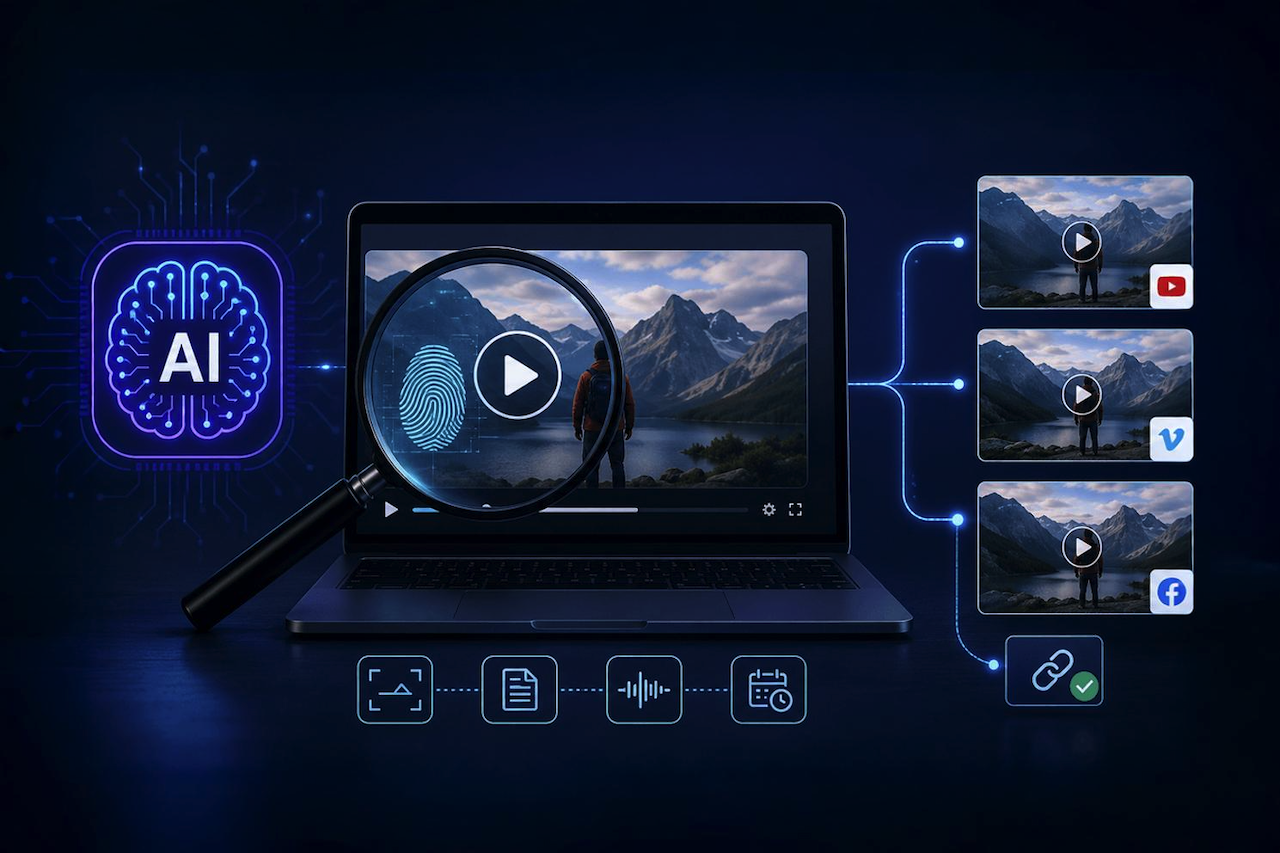
In a social media-driven time such as right now, content spreads across the internet extremely quickly. News, clips, livestreams, and reposted footage can appear on multiple platforms over time.
Several jobs, such as those of journalists and creators, now depend on digital verification techniques. These methods help determine whether a video is authentic or taken from another source.
Modern techniques for this combine methods such as visual analysis and metadata inspection. This article will go into more detail on this topic.
The Importance of Video Source Identification

Online videos are often reposted without context. The same clip may appear on several platforms, which is fine. But if the same video gets reposted with different captions, dates, or descriptions, it becomes a problem.
For instance, videos might be edited to spread misinformation or influence public opinion. Verification techniques play an important role in this. With them, we can trace the source and get the full picture.
Source identification also matters for copyright protection. Media companies and creators have to be careful of unauthorized reposts of their content.
How AI Transforms Media Verification
In this section, we will go over a few methods of content authentication and see how AI plays a key role in their functioning.
Reverse Video Search

Reverse video search is an effective technique for identifying video sources.
Unlike keyword searches, reverse video search relies on visual information. AI helps analyze video frames and compare them with indexed content available online. Various reverse video search tools, including platforms such as Revideo.io, can assist with this process by identifying matching or visually similar videos across the web. The process typically begins by selecting clear keyframes that may contain landmarks, faces, signs, objects, or other distinctive visual elements. These visuals are then compared against existing content to identify matching or similar videos. Even if a video has been edited, resized, or re-encoded, reverse video search systems can often recognize it as the same underlying content. They can also help identify duplicate uploads or earlier versions of a video across different platforms.
However, despite being an extensive search system, it works best when combined with manual investigation. Manual review can provide additional insights from:
- Timestamps
- Upload dates
- Captions
- Account histories
Metadata Analysis
Metadata provides another layer of verification. As we just mentioned, video files may contain information related to recording devices, file formats, editing software, and upload times.
Analyzing metadata can provide valuable clues about a video's origin and history. AI can help process and interpret this information more efficiently.
In some cases, metadata may reveal useful details such as the device used to capture a video, creation timestamps, file properties, or editing history. These details can provide valuable context when investigating a video's origin.
However, metadata is not always reliable. Social media platforms often remove metadata during uploads, and users may intentionally modify or strip metadata to obscure a video's source. As a result, metadata is most effective when used alongside other verification techniques.
Metadata is best used alongside other verification techniques rather than as a standalone solution. Combining multiple methods can provide a more complete picture and improve the accuracy of the verification process.
Audio Analysis
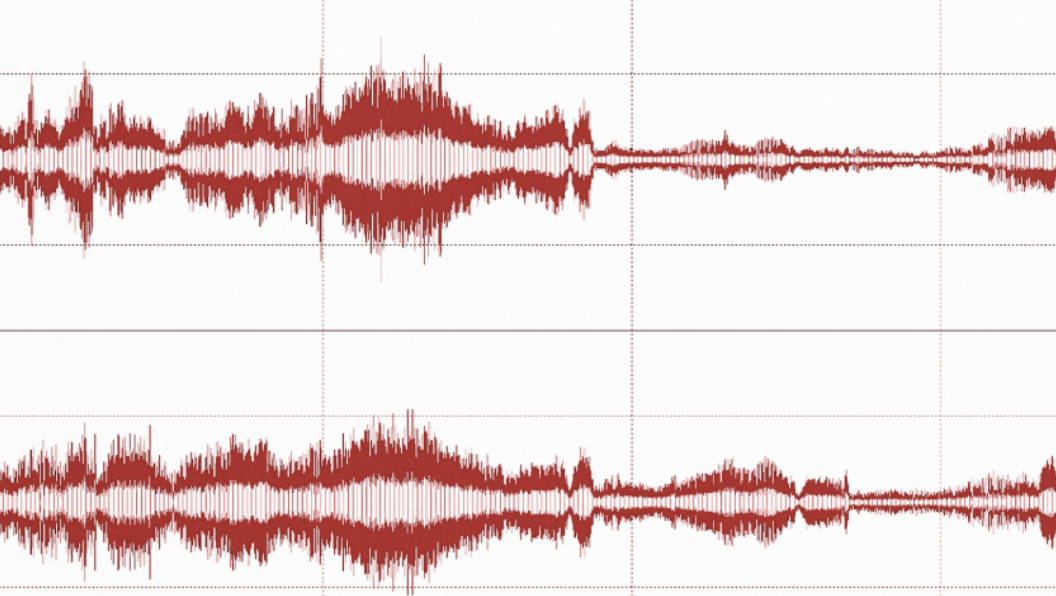
Just as AI analyzes videos against a known database, the same can be done with audio. Sometimes, the visual content has been altered so much that it becomes difficult to authenticate it. In such cases, this audio verification can be used. This is also called audio fingerprinting.
Another use case of this could be identifying whether a clip's audio has been lifted from another source. Similarly, you can tell whether an audio clip has been paired with unrelated footage.
The problem of synthetic audio is also on the rise. Audio verification techniques can help identify potential signs of manipulated or AI-generated audio by analyzing factors such as:
- Unnatural pauses
- Overly consistent pitch
- Lack of natural background noise
In short, audio verification adds a second layer of authentication when paired with video analysis.
General Video Verification Process
Now that we have covered several methods for identifying a video's source, it is important to understand how they work together. Effective verification typically combines multiple techniques rather than relying on a single method.
A common workflow may include obtaining the highest-quality version of a video, extracting keyframes for visual analysis, reviewing metadata, comparing upload dates across platforms, and examining contextual information such as captions or account histories.
These techniques complement one another and can help investigators build a more complete understanding of a video's origin, authenticity, and distribution history.
Challenges in Digital Video Verification
Verification remains difficult despite advances in technology. Videos can be:
- Compressed repeatedly
- Stripped of metadata
- Cropped
- Edited
Surprisingly, this is not all. Challenges such as deepfakes, manipulated media, and incomplete metadata can make verification significantly more difficult.
The takeaway is that we have tools to identify similarities between videos. However, this is not yet self-sufficient. We need investigators or human involvement throughout the process to address some minor intricacies. This would lead to better, more accurate source identification.
Final Words
By this point, we know the importance of digital verification.
But the point is that as long as video continues to dominate online platforms, these verification processes will remain important. Fields such as journalism, research, copyright protection, and the public trust need these.
Another indicator of the continued need for this technology is AI-generated media. So, it is safe to say that digital verification is no longer limited to forensic specialists. As AI-generated and manipulated media continue to evolve, digital verification techniques will remain an important part of establishing authenticity and understanding the origins of online content.
Share this post
Author

Leave a comment
All comments are moderated. Spammy and bot submitted comments are deleted. Please submit the comments that are helpful to others, and we'll approve your comments. A comment that includes outbound link will only be approved if the content is relevant to the topic, and has some value to our readers.
Comments (0)
No comment