
| Benish Zulfiqar | Search Engine Optimization
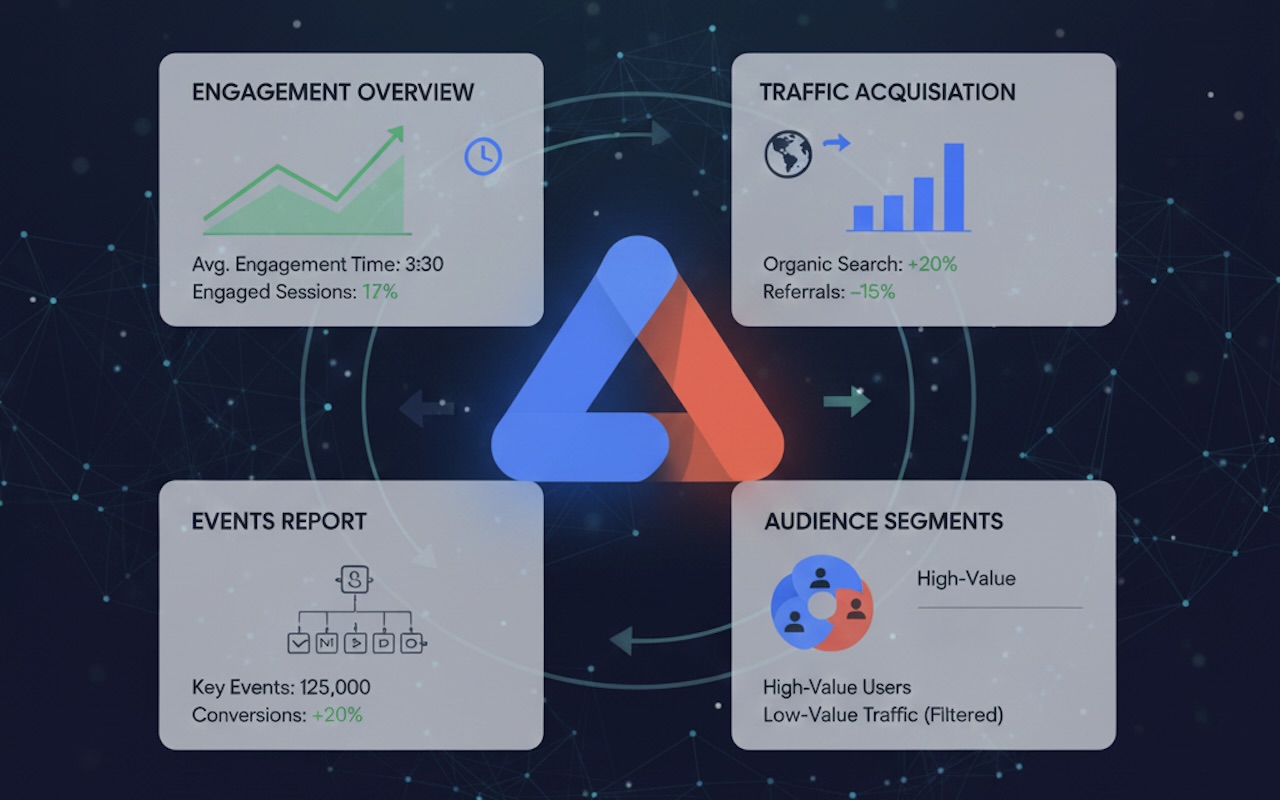
Google Analytics 4 (GA4) has changed the way website owners understand user behavior, offering deeper insights into engagement, acquisition, and traffic quality. While high traffic numbers may look impressive, not every visitor contributes to growth. Identifying low-value visitors is essential for improving website performance, refining marketing strategies, and enhancing SEO results. GA4 provides powerful tools to help you identify which users deliver real value and which negatively affect your engagement metrics. Knowing how to read GA4 reports correctly can help you distinguish between meaningful traffic and irrelevant visits.
Understanding Low-Value Visitors in GA4
Low-value visitors are users who land on your website but do not perform meaningful actions. Their sessions typically include short visit durations, no interactions, and quick exits. These visitors may come from irrelevant geographic locations, spam referrals, low-quality traffic sources, or even automated bots. They inflate your traffic numbers while harming metrics that matter, such as engagement rate, conversions, and user retention. GA4 tracks user behavior differently from Universal Analytics, making it easier to identify which sessions do not contribute value.
Using the Engagement Overview Report
The Engagement Overview Report is one of the first places to analyze traffic quality. GA4 emphasizes engagement rate rather than bounce rate, providing a more accurate picture of user involvement. Low-value visitors typically exhibit short engagement time and minimal page interactions. By checking average engagement time and engaged sessions, you can quickly spot traffic segments that reflect low interest. If a large percentage of your visitors shows zero engagement, that's a strong signal that you are attracting low-quality traffic.
Analyzing Traffic Sources in the Acquisition Report
The Traffic Acquisition Report plays a significant role in identifying low-value visitors. This section shows where your users come from and how each channel performs. Low-value traffic often originates from traffic exchanges, paid traffic packages, suspicious referral sites, or poorly targeted campaigns. In GA4, you can compare metrics such as engagement rate, views per session, and new users across each traffic channel. Channels with high user volume but extremely low engagement or interaction rates likely represent low-value traffic sources. Focusing on these insights helps you refine campaigns and eliminate sources that damage your analytics.
Evaluating User Behavior with the Events Report
GA4 tracks user actions as events rather than sessions, and this shift makes identifying meaningful interaction easier. High-value visitors trigger multiple events, such as clicks, scrolls, video views, and conversions. Low-value visitors usually trigger very few or no events at all. In the Events Report, you can check which events are most frequently triggered and which user groups contribute the least. If you notice large groups of users with zero interaction events, you are likely seeing low-value or bot-driven traffic. Understanding event frequency helps you separate real users from empty sessions.
Using Audience Segments to Detect Poor-Quality Traffic
Audience segmentation is one of GA4’s most powerful features. You can create segments based on user behavior, geography, device type, and session attributes. Low-value visitors often share specific traits such as quick exits, short engagement times, or origins from suspicious domains. By building segments for these patterns, you can isolate and analyze them more effectively. Once a low-quality segment is identified, you can compare it against high-value segments to understand what differentiates real users from irrelevant ones. This helps refine future targeting and improve overall traffic quality.
Monitoring Geographic and Demographic Patterns
GA4’s demographic and geographic insights also help detect low-value traffic. If your business primarily gets customers in specific regions but suddenly sees traffic surges from unrelated countries, this may indicate low-quality traffic or suspicious spikes from unexpected locations. Traffic from unexpected locations often signifies bot traffic, traffic exchange visits, or poorly targeted campaigns. Checking demographic reports also helps you understand whether the users arriving are aligned with your target audience. Irrelevant demographics often correlate with low engagement and poor conversion rates. Tracking geographical consistency ensures you focus on users who matter.
Checking Device and Technology Reports
Device and technology reports in GA4 reveal how users access your site. Low-value visitors often appear through outdated browsers, unknown device types, or automated environments. If you notice a high volume of visits from devices that rarely interact or never convert, this may signal automated or spam traffic. Real users typically exhibit consistent usage patterns, whereas low-value visitors introduce regularities in these reports. Monitoring this data helps you filter out suspicious sessions and maintain cleaner analytics.
Evaluating Conversion Paths for Real Engagement
One of the most effective ways to spot low-value visitors in GA4 is through conversion path analysis. High-value visitors usually follow predictable patterns before completing a conversion or performing key actions. Low-value visitors do not contribute to these paths and often appear as single-session users with no progression. By reviewing your conversion funnel and analyzing which traffic sources support each step, you can clearly identify channels that bring meaningful users. Removing or minimizing low-value traffic sources will improve conversion rate accuracy and ensure your marketing budget is used effectively.
Improving Traffic Quality Through Data-Driven Decisions
Once you have identified low-value visitors, the next step is improving your traffic sources. GA4 insights allow you to refine campaigns, adjust targeting, and eliminate spam referrals. Focusing on high-quality sources such as organic search, relevant social media traffic, and authoritative referral sites improves engagement and conversions. High-quality traffic increases your site’s authority, strengthens SEO signals, and enhances user experience. GA4 offers continuous monitoring, allowing you to keep your analytics clean and actionable.
Conclusion
GA4 provides a powerful set of tools for identifying low-value visitors and understanding how traffic quality affects website performance. By analyzing engagement metrics, reviewing acquisition channels, monitoring event activity, and evaluating demographic patterns, you can clearly distinguish between valuable users and irrelevant visits. Focusing on high-quality traffic leads to better conversions, more accurate analytics, and stronger long-term growth. Understanding how to read GA4 reports correctly ensures your marketing strategy is built on reliable data and meaningful audience insights.
Featured Image generated by Google Gemini.
Author

Benish Zulfiqar



0 Comments
Comments are moderated to keep the discussion useful and respectful. Spam, automated submissions, and low-value promotional comments are removed.
Leave a Comment