
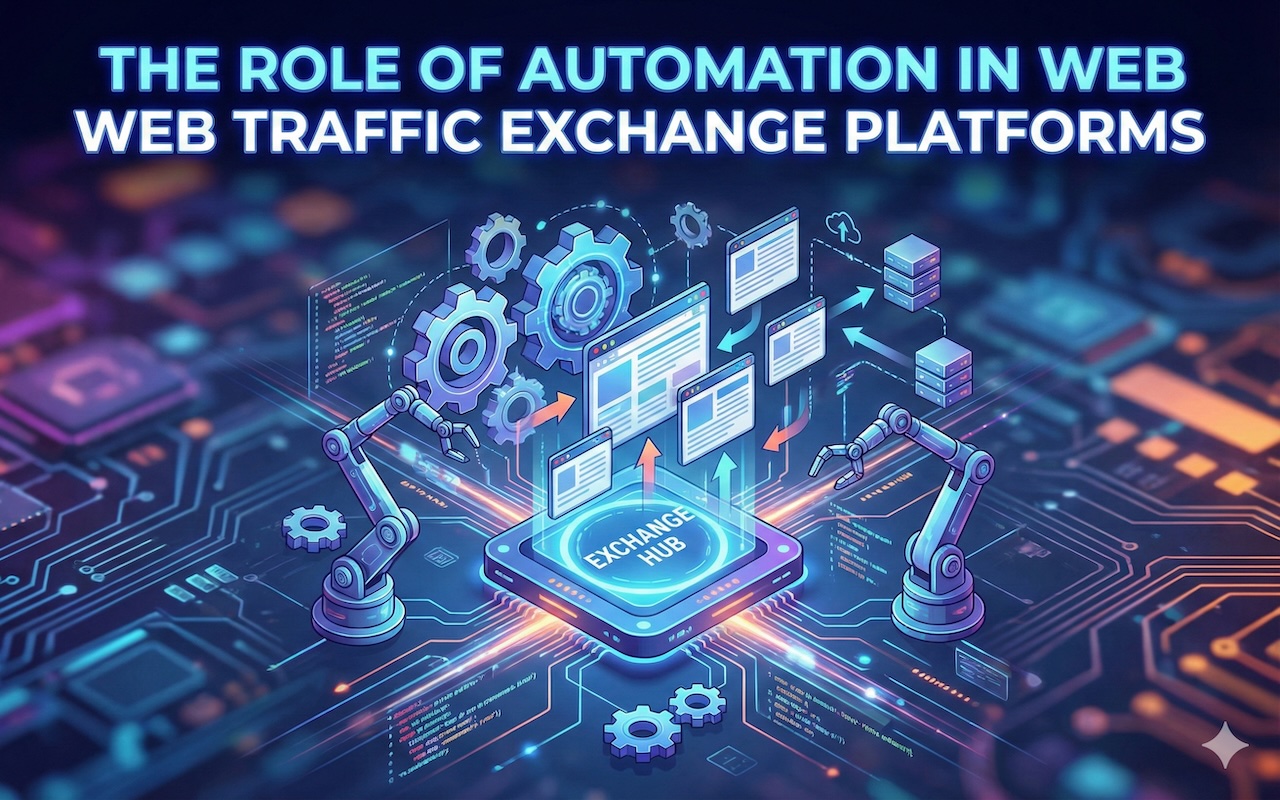
In the digital age, online visibility is a cornerstone of business growth. Websites compete not only for attention but also for quality traffic that converts into leads, sales, or engagement. Web traffic exchange platforms have emerged as a practical way to generate visitors quickly. However, as digital marketing becomes more complex, manual traffic exchange methods are often inefficient and difficult to scale. Automation now plays a central role in reshaping how these platforms operate.
By automating repetitive tasks and optimizing traffic flows, automation enables web traffic exchange platforms to deliver greater efficiency, consistency, and strategic value for marketers and website owners.
Understanding Web Traffic Exchange Platforms
Web traffic exchange platforms are online networks where participants visit other members’ websites in exchange for visits to their own. Users earn credits by viewing websites within the network, which can then be redeemed to attract traffic to their own pages.
Traditionally, this process required significant manual effort. Users had to spend time browsing multiple websites to accumulate credits, making traffic generation time-consuming and difficult to sustain. While manual traffic exchange can produce results, its labor-intensive nature limits campaign scale and long-term effectiveness.
How Automation Transforms Traffic Exchange
Automation introduces efficiency, precision, and consistency into traffic exchange processes. Automated systems can handle repetitive actions such as browsing websites, earning credits, and managing campaign settings without continuous human involvement.
This transformation allows marketers to run traffic campaigns at a much larger scale. Instead of spending hours manually earning credits, users can rely on automated systems to maintain steady activity while they focus on higher-level tasks like content optimization, performance analysis, and strategy development.
Automation also improves targeting within traffic exchange platforms. Advanced algorithms can prioritize websites that align more closely with specific niches or audience preferences. As a result, the traffic generated is more relevant, increasing the likelihood of meaningful engagement rather than superficial visits.
Benefits of Automation in Traffic Exchange Platforms
One of the most significant benefits of automation is time efficiency. Manual traffic exchanges can consume substantial daily effort, which is impractical for businesses managing multiple websites or campaigns. Automated systems operate continuously, allowing traffic exchanges to run around the clock without interruption.
Automation also delivers consistency. Human activity can vary due to fatigue, distractions, or limited availability, whereas automated tools maintain predictable and steady performance. This consistency supports reliable traffic flow, which can contribute to improved visibility and engagement over time.
Another key advantage is scalability. Automation enables businesses to expand traffic campaigns across multiple sites or audiences without increasing manpower. Automated traffic exchange platforms can dynamically adjust campaign parameters and optimize performance in real time, allowing even smaller businesses to compete effectively for online attention.
Challenges and Considerations
Despite its advantages, automation in web traffic exchange platforms presents challenges that require careful management. One major concern is traffic quality. Search engines and advertising platforms are increasingly adept at identifying artificial or low-quality traffic. Poorly implemented automation may generate patterns that resemble bot behavior, which can negatively impact search rankings.
Security is another important consideration. Automated tools often require access to multiple websites or user accounts. Selecting platforms that emphasize secure operations and data protection is essential to prevent unauthorized access or data misuse.
Additionally, over-reliance on automation without oversight can reduce effectiveness. While automation simplifies execution, regular monitoring of engagement metrics, traffic behavior, and conversion rates is necessary to ensure campaigns align with broader business objectives.
Best Practices for Using Automation in Traffic Exchanges
To maximize the benefits of automation, marketers should combine automated traffic exchange with high-quality website content. Engaging content encourages visitors to stay longer, interact with pages, and take desired actions, improving overall campaign outcomes.
Performance monitoring is equally important. Automated systems generate extensive data, but value comes from analyzing that data to refine strategies. Adjusting traffic sources, timing, and targeting based on performance insights helps maintain effectiveness and avoid wasted effort.
Integrating automation with other marketing channels further enhances results. Traffic generated through exchange platforms can be supported by email campaigns, social media engagement, or retargeting strategies, creating a unified marketing ecosystem that supports long-term growth.
Conclusion
Automation has fundamentally changed the role and effectiveness of web traffic exchange platforms. By streamlining repetitive tasks, improving targeting, ensuring consistency, and enabling scalable campaigns, automation allows marketers to extract greater value from traffic exchanges.
Successful use of automation requires thoughtful implementation, ethical practices, and ongoing performance monitoring. When applied strategically, automation not only saves time but also strengthens website visibility, engagement, and conversion potential, making it an essential component of modern digital marketing strategies.
Featured Image generated by Google Gemini.
Share this post
Author

Read the latest articles from Kylie Miler
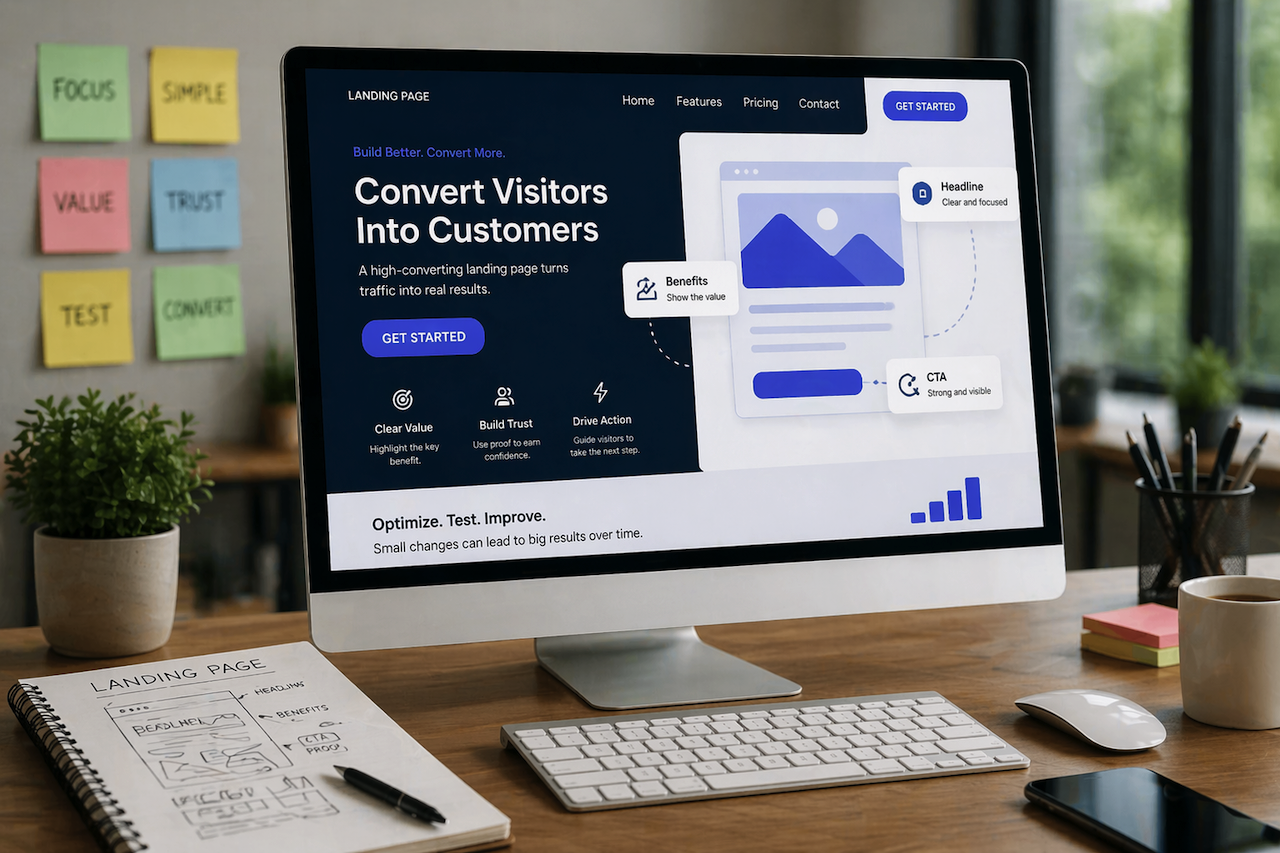
Landing Page Optimization Tips for Higher Conversion Rates
April 22, 2026
A landing page is more than just a digital entry point—it’s where visitors decide whether to take action or leave. No matter how much traffic you drive to your site, your results ultimately depend on how well your landing page converts. Optimizing this page is essential if you want to turn clicks into [...]
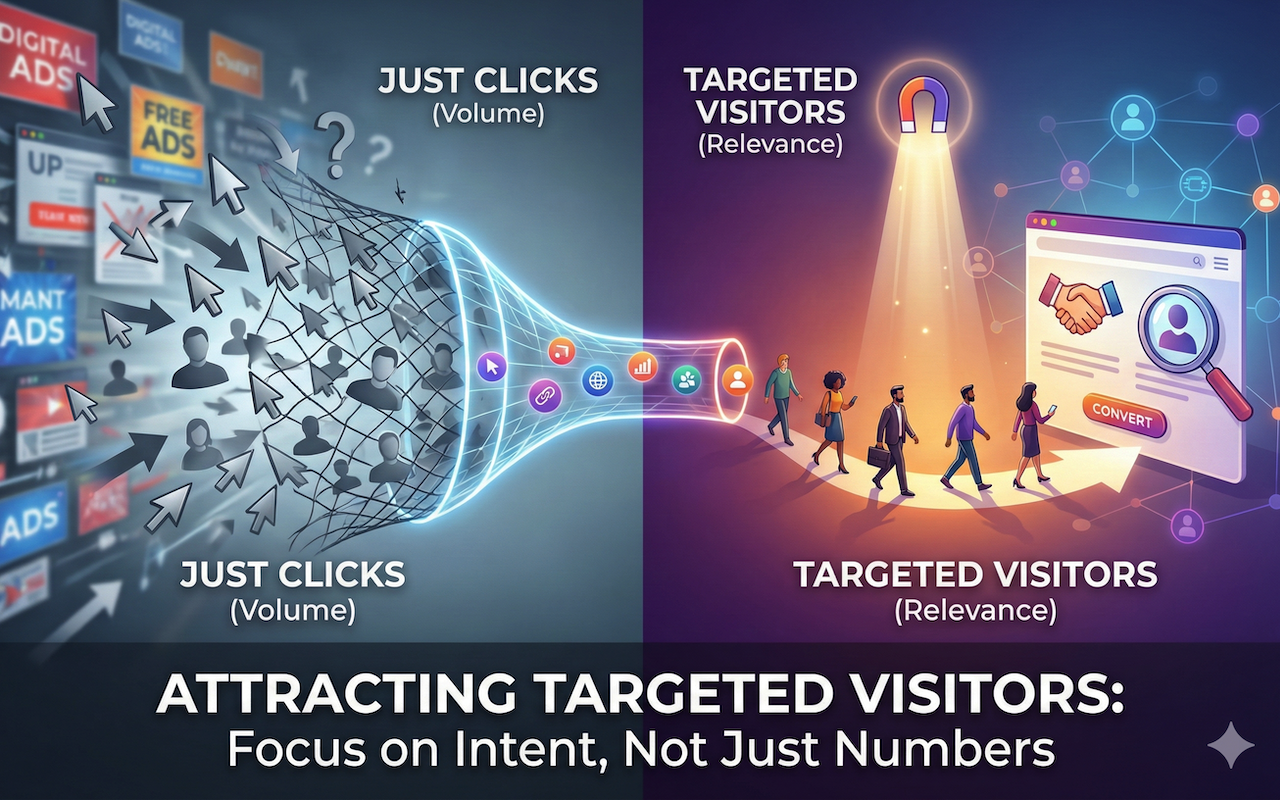
Learn moreHow to Attract Targeted Visitors (Not Just Clicks)
January 8, 2026
Driving traffic to a website is often treated as a numbers game. More clicks, more visitors, more impressions—surely that must lead to success. Yet many website owners, marketers, and entrepreneurs quickly discover a frustrating truth: traffic alone doesn’t guarantee results. If visitors aren’t genu [...]
Learn moreLeave a comment
All comments are moderated. Spammy and bot submitted comments are deleted. Please submit the comments that are helpful to others, and we'll approve your comments. A comment that includes outbound link will only be approved if the content is relevant to the topic, and has some value to our readers.
Comments (0)
No comment