
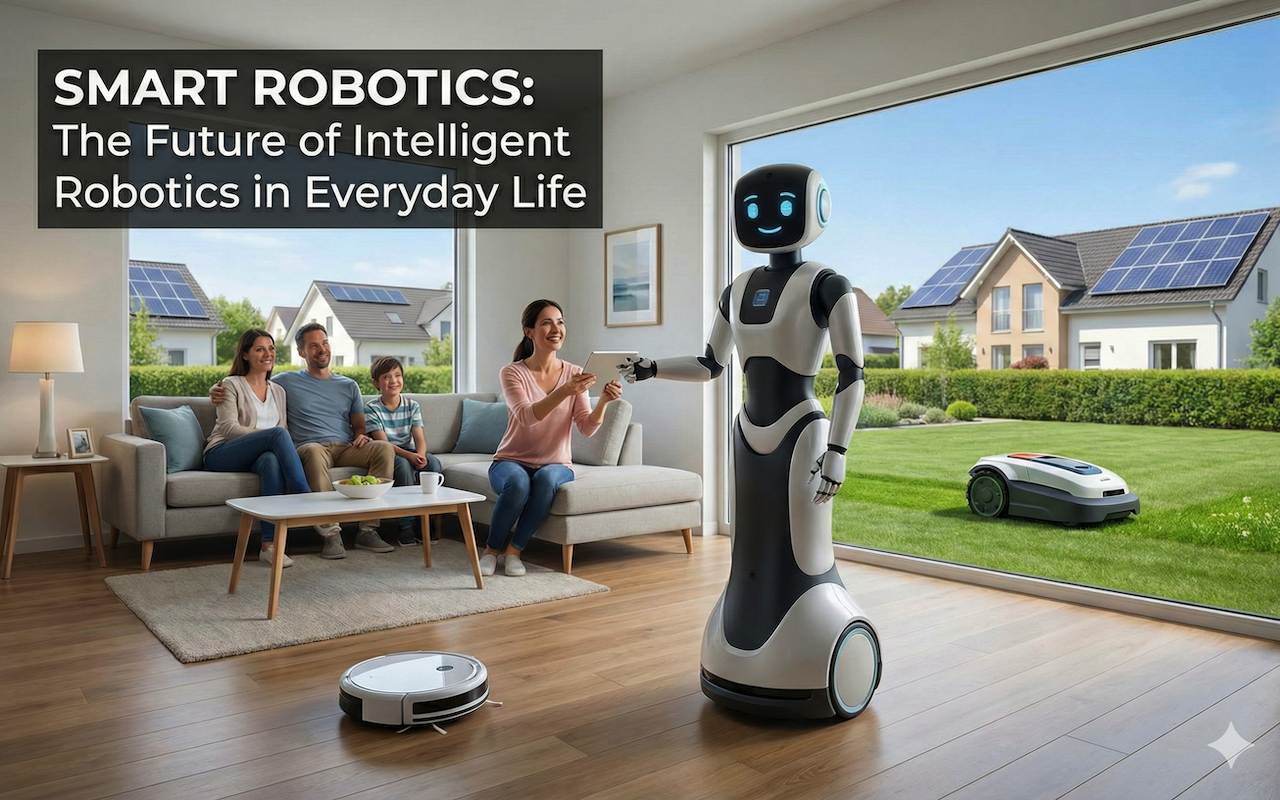
The world is quickly moving toward a future where everyday tasks are made easier through automation and advanced technology. One of the most talked-about innovations in this field is ponas robotas, a concept that represents the growing integration of intelligent robotics in daily life. Across the United States, homes, offices, and industries are adopting robotic technology not only for convenience but also for efficiency, safety, and sustainability.
Understanding What Ponas Robotas Means
In simple terms, ponas robotas translates to “Mr. Robot” in Lithuanian, but the phrase has come to symbolize the intelligent machines that help humans perform various activities. These can include robotic vacuum cleaners, automated lawnmowers, home assistants, and even humanoid robots designed to assist older people or people with disabilities.
For Americans, this idea aligns with the broader concept of smart living, where devices work together seamlessly. People now want robots that can think, learn, and act independently to improve the quality of life.
The Rise of Smart Robots in American Homes
Over the last decade, U.S. households have seen a massive surge in the use of smart home devices connected through Wi-Fi and voice control. From self-learning thermostats to intelligent lighting and security systems, Americans have embraced technology that adapts to their needs.
Robotic devices have become a central part of this transformation. Products like robotic vacuums and lawn care robots are now standard across U.S. suburbs. These machines use sensors, mapping systems, and artificial intelligence to perform tasks with precision and minimal supervision. Consumers appreciate how these tools save time, allowing families to focus more on experiences rather than chores.
How Robotics Represents Innovation
When people think of robotics, they imagine a helpful, human-like assistant capable of making decisions and understanding situations. This vision reflects where technology is headed—toward autonomous robots that combine functionality with emotional intelligence.
Major U.S. tech companies are experimenting with robotics powered by AI and machine learning. Examples include household robots that can recognize family members, fetch objects, or even communicate naturally using voice and gestures. These robots can adjust their behavior based on user preferences or situations, making them more reliable companions than simple automated tools.
The Growing Market for Smart Robotics in the USA
The American robotics market has expanded rapidly thanks to rising consumer demand and technological advances. Research groups estimate that U.S. spending on home and service robots will exceed billions in the coming years. This rise results from better AI algorithms, affordable sensors, and improved battery life.
What was once limited to factories is now becoming accessible to regular homeowners. Robots for cleaning, cooking, pet care, and personal assistance are gaining attention. Tech-savvy families in the U.S. are eager to invest in versatile robots that can serve multiple roles—as security devices, conversation partners, and remote-controlled helpers.
How Artificial Intelligence Powers Modern Robots
Artificial intelligence is the heart of modern robotics. It allows machines to learn from their environment, make predictions, and react accordingly. For instance, a smart home robot can analyze floor layouts to clean specific areas efficiently or detect unusual activity to alert homeowners of potential hazards.
In the U.S., where security and comfort are top priorities, AI-driven robots have become an essential part of digital lifestyles. They integrate with existing innovative ecosystems such as Amazon Alexa or Google Home, ensuring smooth communication between devices and consistent control through mobile apps or voice commands.
The Role of Robotics in Healthcare and Elderly Assistance
One of the most practical uses of this technology lies in healthcare. With an aging population in the United States, innovative solutions are needed to assist seniors with daily tasks, medication reminders, and companionship. Robots designed for elder care can detect falls, monitor vital signs, and remind users about schedules.
These systems reduce stress for families and healthcare providers while giving older adults a sense of independence. Robotics companies in the U.S. are also developing companion robots that can respond with empathy and conversation, supporting mental wellness as well as physical comfort.
Sustainability and Energy Efficiency in Robotics
Sustainability plays a significant role in modern American innovation. The latest robots are being built with energy efficiency and eco-friendly materials in mind. For example, solar-charged lawn robots and energy-optimized vacuum units minimize power usage while maintaining high performance.
Manufacturers are also designing products for long-term use and easy maintenance, which aligns with consumer interest in responsible technology consumption. People want robots that last longer and have upgradable software, a testament to the growing emphasis on sustainability in the U.S. tech industry.
Challenges Facing Robotics Adoption
Despite rapid progress, the widespread use of these robots faces challenges. Cost, privacy concerns, and data security are major topics of discussion across the country. Americans are cautious about how much personal information robotic devices collect and how securely that data is stored.
Additionally, while many appreciate automation, others worry about its impact on jobs and human connection. There’s a need for balance, ensuring robots enhance lives without replacing essential human interaction or employment opportunities.
Ethical Considerations and Trust in Robotics
Trust is central to the acceptance of robotic assistants in everyday American life. Developers and policymakers are focusing on ethical guidelines to govern how robots behave and how data is managed. Building transparency into AI systems, such as explaining why a robot made a particular decision, helps users feel safer and more informed.
As robots become more human-like, discussions around emotional intelligence, moral decision-making, and accountability become essential. The U.S. government and private sectors are both investing in research to ensure robotics supports human values while encouraging innovation.
How Everyday Americans Are Using Smart Robots
From large tech hubs to suburban neighborhoods, Americans are discovering creative ways to use robotic assistance. Parents rely on intelligent robots to entertain or educate their children. Pet owners use automated feeders and cleaners to manage home hygiene. Even small business owners use delivery robots or warehouse bots to improve productivity and reduce operational costs.
This shift reflects how deeply automation has integrated into daily routines. This trend, in many ways, symbolizes the cultural change toward smart living, where humans and machines share responsibilities based on trust and mutual benefit.
The Future of Robotics in the U.S. Economy
Looking ahead, robotics will influence every sector—manufacturing, service, healthcare, education, transportation, and entertainment. The demand for skilled robot technicians, AI engineers, and ethical technology regulators will create new job opportunities.
The future of robotics is not just about intelligent machines doing tasks but about collaboration between humans and robots. Instead of competition, the relationship will focus on partnership, humans providing emotional and creative judgment while robots handle precision and repetition.
Why Americans Are Ready for the Next Wave of Robotics
Cultural openness to innovation has always defined the U.S. From the introduction of personal computers to the spread of smartphones, and now AI, Americans have consistently adapted to new technologies faster than many nations.
Robotics represents the next significant evolution. Studies show that more than half of U.S. homeowners are interested in having at least one household robot within the next few years. As prices fall and functionality increases, this technology could become as common as a washing machine—a trusted assistant for life’s everyday needs.
Conclusion: Humans and Robots in Harmony
In the end, ponas robotas is more than a catchy phrase; it reflects the next chapter of modern living. Robotics and AI are transforming the way Americans work, communicate, and care for one another. With the proper safeguards, ethical design, and continued innovation, intelligent robots will play an essential role in shaping a brighter, more compassionate future for everyone.
Technology may evolve, but human creativity will always guide its direction. The harmony between people and their machines will define how effectively the U.S. and the world builds a future where automation serves humanity, not replaces it.
Featured Image generated by Google Gemini.
Share this post
Author

Read the latest articles from Awais Mursaleen
How to Find Internet Deals That Fit Your Budget
December 18, 2025
Finding the right internet deal feels harder than it should. Prices keep changing. Plans look confusing. Hidden charges show up later. Most people want stable internet without overpaying and that goal is reasonable.
Learn moreLeave a comment
All comments are moderated. Spammy and bot submitted comments are deleted. Please submit the comments that are helpful to others, and we'll approve your comments. A comment that includes outbound link will only be approved if the content is relevant to the topic, and has some value to our readers.
Comments (0)
No comment