
As online competition increases, retaining user attention has become just as crucial as attracting it. AI-powered marketing helps businesses understand visitor behavior and deliver better experiences, ultimately improving how long users stay on a site and how they interact with content.
Below are effective AI-driven strategies to drive higher website engagement.
Personalized Content Recommendations
Every visitor has unique browsing habits, interests, and goals. AI tools analyze these patterns in real time and suggest relevant articles, products, or videos. This reduces bounce rates and encourages users to explore more pages, increasing overall session duration. It’s a technique widely used by streaming platforms, news sites, and e-commerce stores.
Chatbots and Automated Assistance
AI chatbots can answer visitor questions, help with navigation, and provide instant support. Because they operate 24/7 and improve with continued use, they reduce the need for live agents while delivering a smoother user experience. This ongoing assistance helps keep visitors engaged rather than leaving when they can’t find what they need.
Predictive Behavior Analytics
Predictive analytics tools analyze historical data to anticipate future outcomes. Websites use these insights to determine:
- Which topics maintain user interest
- Where visitors tend to drop off
- What resources are most helpful
- When users are most active
This allows marketers to adjust content structure, page layout, and publishing times for better engagement.
Automated Email and Notification Triggers
AI improves email and notification campaigns by personalizing message timing, tone, and subject matter. Instead of sending generic updates, AI tools tailor messages to user preferences and past activity. This can encourage returning visits, especially for content hubs, online communities, and subscription-based sites.
Visual and Experience Optimization
Modern AI tools support design, layout testing, and visual creation. Websites often pair written content with visual guides, case studies, or experiential descriptions to keep readers interested. For example, lifestyle and travel platforms such as David’s Guide incorporate photography, guides, and structured layouts that drive longer browsing sessions and consistent user engagement—illustrating how design choices influence user behavior.
Voice Search and Natural Language Queries
Voice assistants are changing how users search for information. AI helps marketers optimize content for natural language queries, commonly found on FAQ pages and in conversational blog formats. Sites that adapt to voice search tend to perform better on mobile devices and in local search results.
Conclusion
AI-powered marketing isn’t just about automation; it’s about improving digital experiences. The combination of personalized recommendations, predictive analytics, automated support, and optimized content can significantly increase user engagement with a website.
As AI technology continues evolving, businesses that integrate these strategies early are more likely to see improvements in user satisfaction, retention, and overall engagement.
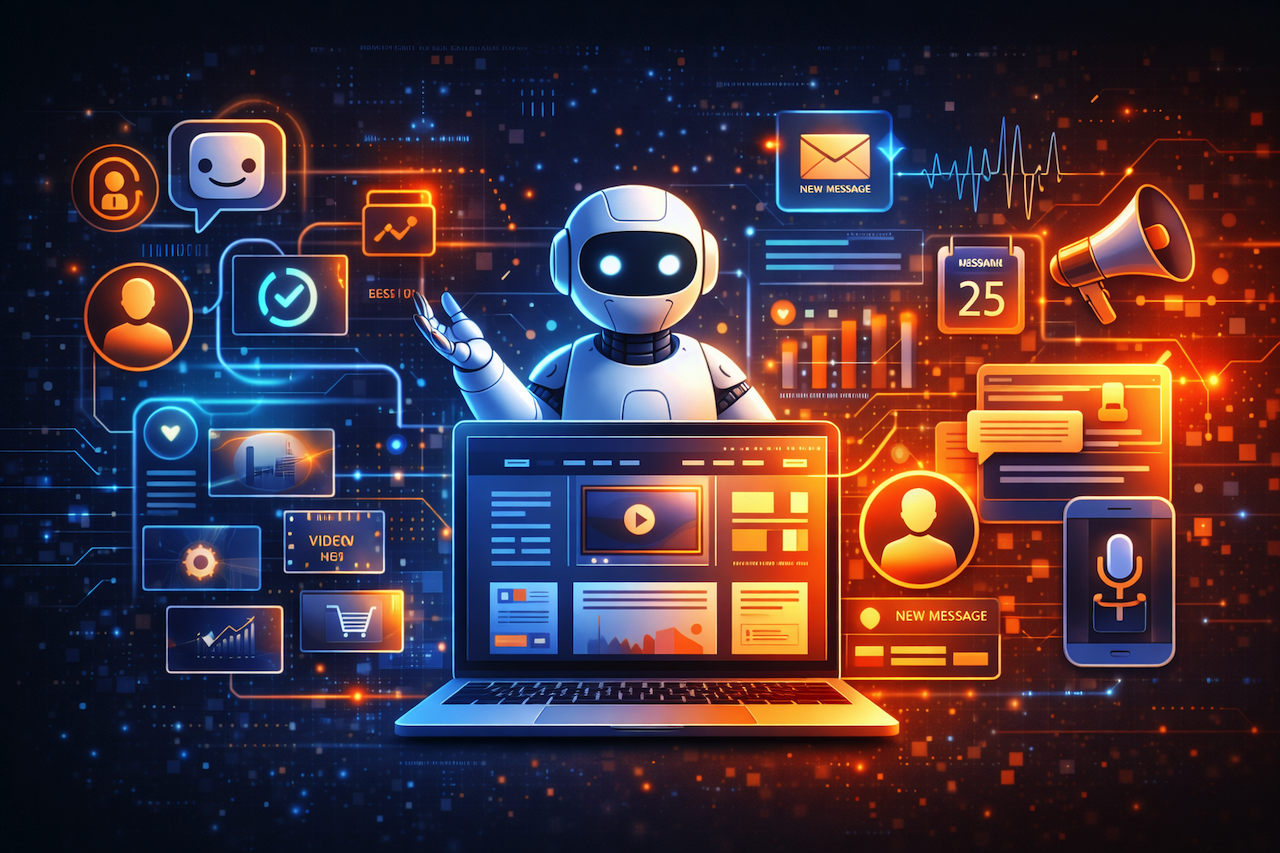
Featured Image generated by ChatGPT.
Share this post
Leave a comment
All comments are moderated. Spammy and bot submitted comments are deleted. Please submit the comments that are helpful to others, and we'll approve your comments. A comment that includes outbound link will only be approved if the content is relevant to the topic, and has some value to our readers.
Comments (0)
No comment