
| Webtraffic Exchange | Artificial Intelligence
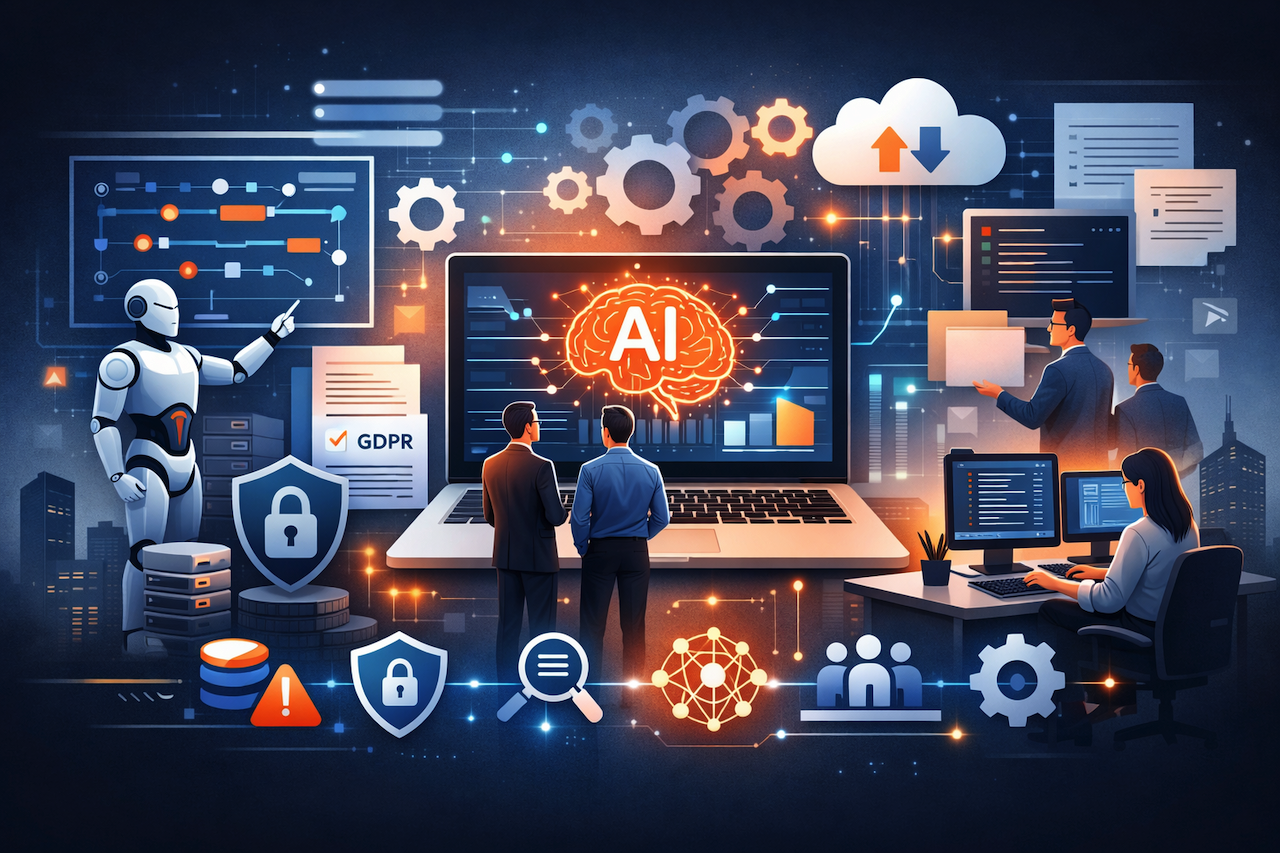
Enterprises are rapidly adopting automation, with agentic AI-powered software at the forefront of this movement. The key difference of agentic AI-powered software is that it not only executes tasks but also makes decisions and handles them independently.
This is currently achievable with innovative AI models; however, enterprise implementation faces several obstacles. Firms might face operational risks, data-related difficulties, and efficiency issues that will diminish their return on AI investments in the absence of an organized plan.
Key Challenges in Enterprise Adoption
Some of the key challenges that enterprises may face while implementing agentic AI systems are as follows:
1. Integration with Existing Systems
Enterprises often use various systems and tools, such as CRMs, ERPs, and legacy technology. It can be difficult to integrate agentic AI-powered software with existing systems.
- Compatibility issues between systems
- Older systems may not support APIs
- A highly time-consuming process to align systems
2. Data Quality and Availability
The authenticity of the data is vital to the success of AI agents. Inconsistent or incorrect data can undermine decision reliability.
- Inconsistent data between departments
- Data silos and lack of accessibility
- Data bias and its effect on results
These issues can be mitigated by working with an experienced artificial intelligence solution provider.
3. Security and Privacy Risks
Handling sensitive enterprise information increases exposure to cyber threats. AI agents operating across multiple systems can introduce new vulnerabilities.
- Risk of unauthorized data access
- Expanded attack surface across integrations
- Challenges in protecting sensitive information
Strong cybersecurity standards are essential for enterprise AI/ML deployment.
4. Governance and Compliance
Businesses must comply with strict regulations such as GDPR and other data protection laws. AI systems must be transparent and accountable.
- Lack of visibility in AI decisions
- Difficulty auditing AI outputs
- Compliance requirements across regions
Effective governance ensures AI operates within legal and ethical boundaries.
5. Model Reliability and Accuracy
Agentic AI systems may produce inconsistent or incorrect results, affecting trust and usability in business operations.
- Misinterpretation of complex inputs
- Inconsistent decision-making in edge cases
- Risk of generating inaccurate responses
Continuous testing and monitoring are required to ensure reliability.
6. Change Management and Workforce Readiness
Introducing AI agents can significantly impact workflows and may lead to resistance among employees.
- Lack of AI literacy among teams
- Concerns about job displacement
- Difficulty adapting to new processes
Training and clear communication help teams work effectively with AI systems.
Overview of Enterprise Challenges
The table below highlights the key challenges enterprises face when implementing agentic AI-powered software and their impact on business operations.
| Challenge Area | Key Issue | Business Impact |
|---|---|---|
| Integration | Legacy system compatibility | Delayed deployment |
| Data Quality | Inconsistent and siloed data | Reduced accuracy |
| Security | Data exposure risks | Compliance issues |
| Governance | Lack of transparency | Regulatory challenges |
| Reliability | Unpredictable outputs | Reduced trust |
| Change Management | Workforce resistance | Slower adoption |
Building a Reliable AI Deployment Strategy
Organizations can overcome these challenges through structured implementation and risk management.
Establish Strong Governance
Policies and monitoring systems can be established to ensure transparency and accountability in AI systems.
Invest in Data Management
High-quality, structured data can improve accuracy and efficiency in agentic AI-powered software.
Strengthen Security Infrastructure
A secure infrastructure can be established to protect critical data and enable secure interactions with systems.
Implement Human Oversight
Human-in-the-loop models can be established to enable businesses to review AI decisions, thus mitigating risks.
Focus on Employee Enablement
Enabling employees to use AI effectively can lead to higher productivity.
Steps for Successful Deployment
Businesses that are planning to implement AI/ML technologies can do so in a structured manner by:
- Conducting an assessment for artificial intelligence readiness
- Starting with pilot projects in a controlled environment
- Developing data governance and cybersecurity capabilities
- Continuously monitoring and improving solution performance
- Partnering with an experienced artificial intelligence solution provider for expert guidance
Concluding Thoughts
The use of agentic AI-powered software within businesses will have efficiency opportunities. Nevertheless, the issues of integration, data, and security should be carefully planned.
As an example, systematic companies that invest in high-quality AI/ML tools and train their workforce to be adaptable will be able to reap the benefits of agentic AI systems.
Featured Image generated by ChatGPT.
Author

Webtraffic Exchange


0 Comments
Comments are moderated to keep the discussion useful and respectful. Spam, automated submissions, and low-value promotional comments are removed.
Leave a Comment