
| Webtraffic Exchange | Healthcare
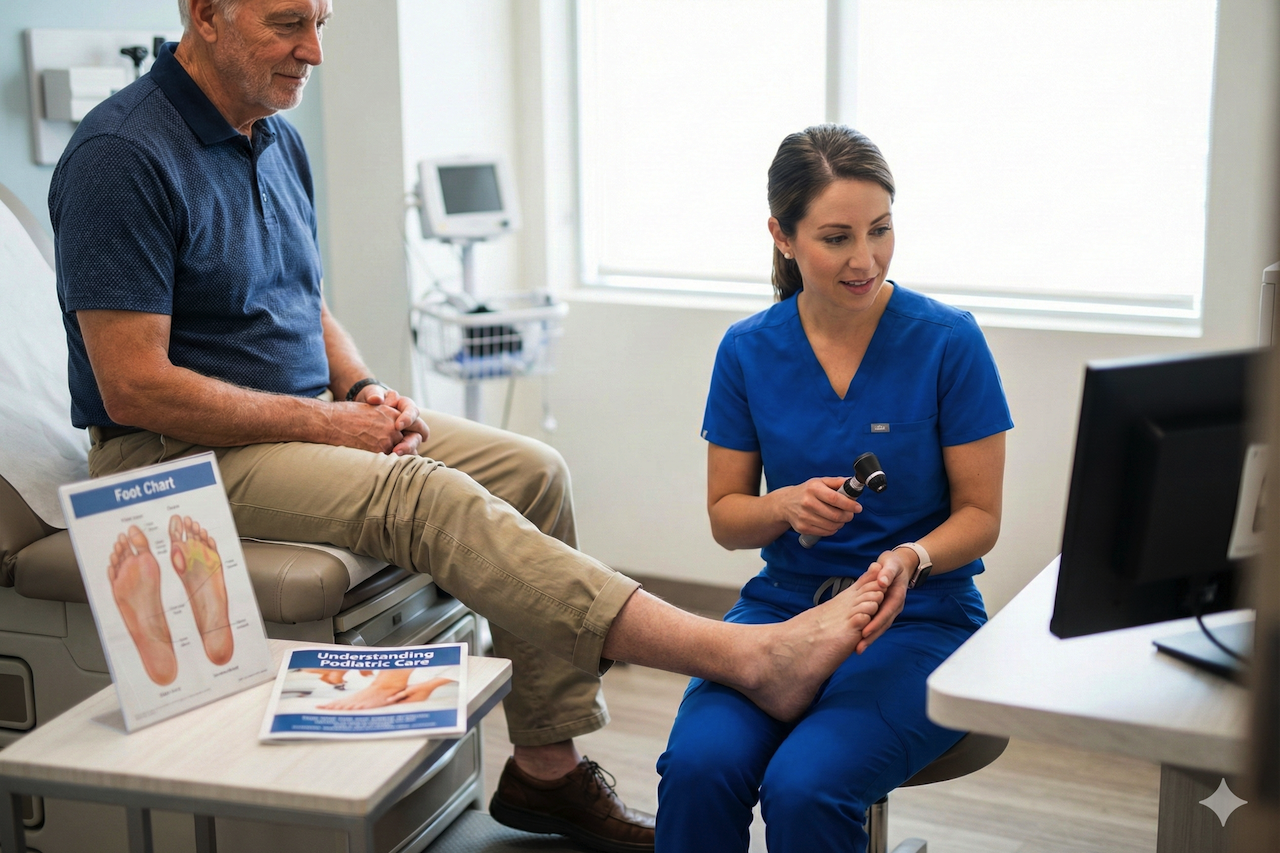
In the medical field, there are specialized doctors and treatments for every area of the body. Podiatric care focuses on the lower limbs, including the feet and ankles. Just like any other part of the body, the lower limbs require dedicated care, especially since they support your full body weight during walking, running, and daily movement.
Because of this constant pressure, the feet are prone to fatigue and injury. Certain medical conditions, such as diabetes or elevated uric acid levels, can further increase the risk of foot ulcers and infections. Podiatry care plays a vital role in identifying, managing, and preventing these complications before they become more serious.
What Is Podiatry Care?
Podiatry care is a specialized medical service focused on diagnosing, treating, and preventing conditions affecting the feet, ankles, and lower limbs. It follows established medical protocols to ensure early detection of issues and timely intervention.
If you experience pain, discomfort, numbness, wounds, or mobility issues in your lower limbs, consulting a podiatrist is essential. Athletes, workers who spend long hours on their feet, and the general population all benefit from basic podiatric awareness. Healthy feet are critical for maintaining mobility and independence.
Podiatric care begins with a comprehensive examination. The specialist evaluates skin condition, circulation, nails, bones, joints, and nerve response. Diagnostic tools such as imaging or sensitivity tests may be recommended to better understand the severity of a condition. Common issues treated include ingrown toenails, heel pain, ulcers, infections, swelling, and plantar fasciitis. Without proper care, untreated foot conditions may lead to nerve damage or, in severe cases, amputation.
How Podiatry Care Helps Prevent Foot Complications
People often monitor general health indicators such as blood sugar or blood pressure, yet foot health is frequently overlooked. Preventive podiatry care helps reduce the risk of long-term complications by addressing problems early.
Frequent Checkups
Regular podiatry visits are important even when no visible symptoms are present. Routine examinations allow specialists to detect subtle changes in circulation, sensation, or structure that may indicate developing problems. Early identification helps prevent minor issues from progressing into serious conditions.
Footwear and Structural Support
Proper footwear plays an important role in foot health. Podiatrists often assess walking patterns and posture to recommend shoes or orthotic support that reduce strain, improve alignment, and promote comfort. This guidance helps prevent pain, instability, and long-term joint stress.
Professional Guidance for Wounds and Infections
Cuts, blisters, or wounds on the lower limbs should never be ignored. Even small injuries can worsen if left untreated. Seeking professional care ensures proper cleaning, assessment, and management, helping prevent infections, ulcers, and complications, especially for individuals with chronic health conditions.
Benefits of Podiatry Care
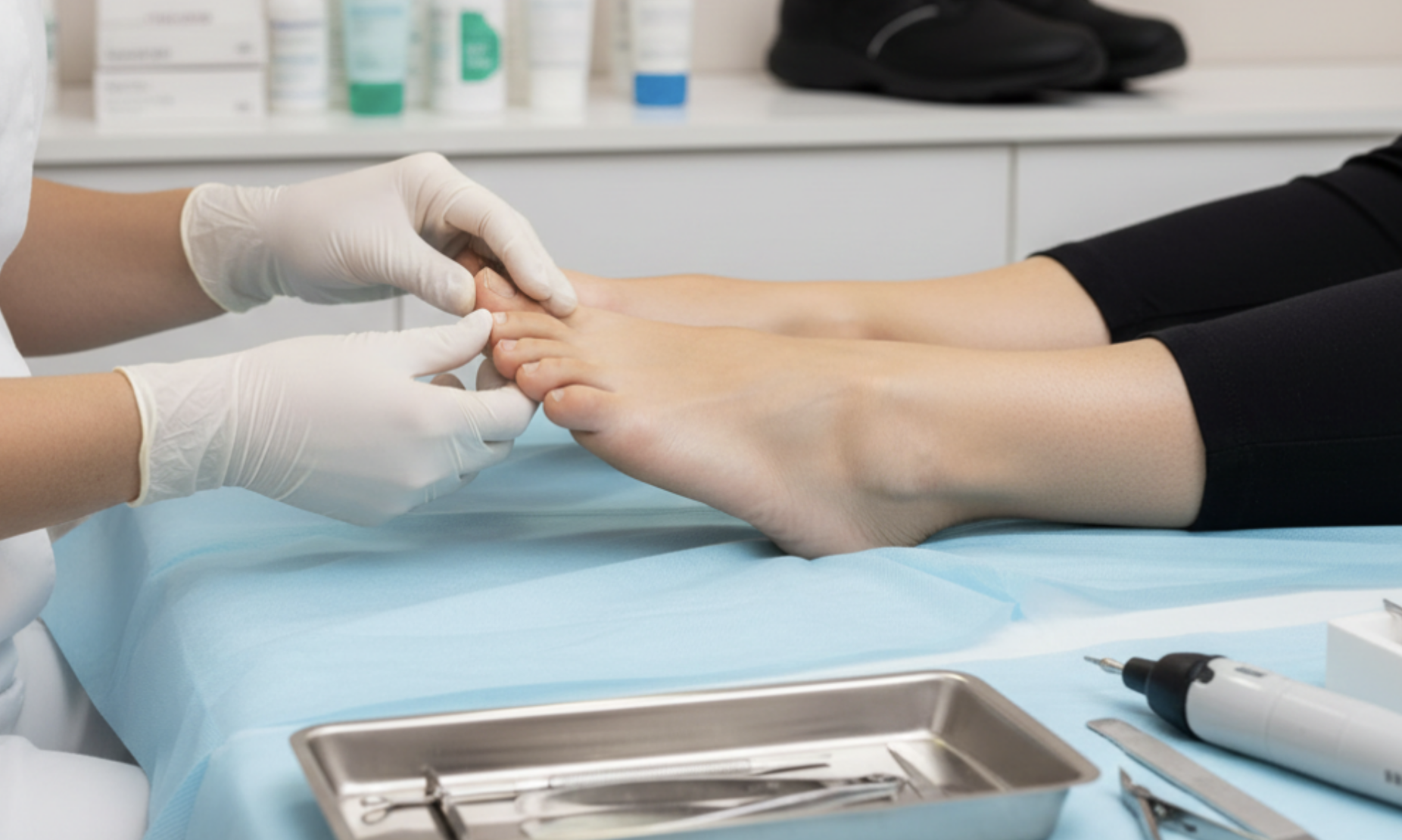
Podiatric care supports both immediate comfort and long-term mobility.
1. Early Prevention
Foot-related health issues often develop silently. Minor wounds or pressure points can escalate into serious infections or tissue damage if overlooked. Regular podiatry checkups help identify risks early and reduce the likelihood of severe outcomes.
2. Pain Management
Conditions such as plantar fasciitis, bunions, corns, calluses, and nail disorders can significantly affect daily comfort. Podiatric treatment focuses on relieving pain through targeted therapies, corrective strategies, and lifestyle recommendations.
3. Improved Mobility
Healthy feet allow for natural movement and stability. By addressing alignment issues and reducing strain, podiatry care helps individuals maintain active lifestyles with less discomfort.
4. Support for Chronic Health Conditions
People with diabetes, arthritis, or circulatory conditions face higher risks of foot complications. Ongoing podiatry care is essential for monitoring changes, preventing ulcers, and maintaining overall foot health.
5. Enhanced Quality of Life
Comfortable movement supports independence and mental well-being. By maintaining foot health, individuals can stay active, confident, and engaged in daily activities.
Home Foot Care and Professional Guidance
Podiatrists may recommend basic foot care routines to follow at home, such as proper hygiene, nail care, and skin monitoring. In some cases, simple podiatry supplies may be suggested to support these routines and help maintain results between professional visits.
When at-home care is advised, it should always align with professional recommendations. Proper technique and regular monitoring are more important than relying heavily on tools or products.
Start Your Podiatry Care Early
Preventive foot care is most effective when started early.
- Schedule routine podiatry evaluations, even if no symptoms are present.
- Follow professional advice for footwear, posture, and daily foot care.
- Monitor feet regularly for changes in skin, sensation, or appearance.
- Seek prompt medical attention for wounds, pain, or infections.
- Keep feet clean, dry, and well moisturized to support skin health.
Healthier Feet, Healthier Living
Your feet support every step you take. Prioritizing podiatry care helps preserve mobility, reduce pain, and prevent long-term complications. Through regular checkups, professional guidance, and mindful daily care, you can protect your foot health and maintain an active, independent lifestyle.
Featured Image generated by Google Gemini.
Author

Webtraffic Exchange



0 Comments
Comments are moderated to keep the discussion useful and respectful. Spam, automated submissions, and low-value promotional comments are removed.
Leave a Comment